Grassel Hypnotherapy

Sunshine Coast of Queensland Australia, Hypnotherapy Clinic, Hypnosis Michael Grassel Successfully guiding weight-loss clients since 1981. Bachelor of Science, Business U.W.P., Post-graduate studies in Psychology, Social Psychology U.T.S.A., N.I.I.P. Certified Hypnotherapy Practitioner; HH.Dip(P.H.)

Wednesday, January 6, 2016

What Happens When You Quit Smoking –

What Happens When You Quit Smoking – Immediate And Long Term Benefits


By: Mike Barrett
While many people may not know everything smoking can potentially lead to, it is well known that nothing positive on a health level can come out the activity. Advertisers and Hollywood have successfully hammered the idea of smoking into our brains over the last few decades through placement in movies and TV shows, but thankfully people now know the truth concerning the negative health effects and child influence. Of course not all smokers want to quit, but for those who do, you may be surprised to find out what happens when you quit smoking.

What Happens When You Quit Smoking?

If a cigarette is in your mouth right now, finish it. Once you finish it, don’t ever pick up another one. If you did this right now, your body would go through amazing changes starting just 20 minutes after you finish that cigarette.
If you want to quit but are having a difficult time mentally shifting, learning what happens when you quit smoking may very well provide you with that final push. The health effects of smoking can be terrible, but the effects of quitting can be phenomenal. This positive spin on the benefits of quitting rather than the negative effects of continuing may be what one needs.
Here are some of the many benefits of quitting smoking and a timeline of what will happen once you quit smoking. You may (or may not) be surprised by what you see.
Let us know what you think of this.

smoking_timeline_2070x1530


  • In about 20 minutes, your blood pressure and pulse rate will decrease, and the body temperature of your hands and feet will increase.
  • At approximately the 8-12 hour mark, the carbon monoxide level in your blood will decrease to normal and your blood oxygen level will increase to normal.
  • At 24 hours the chance of you having a heart attack decreases significantly.
  • At about 48 hours, nerve endings begin to regrow and your ability to smell and taste is enhanced.
  • Between 2 weeks and 3 months, your circulation improves, walking becomes easier, and coughing and wheezing is experienced less often. Phlegm production decreases and at about the 3 month mark, lung function is significantly improved.
  • Between 1 and 9 months, you will experience all of the benefits already listed  in addition to less sinus congestion, fatigue, and shortness of breath. Cilia, tiny hair-like structures that move mucus out of the lungs, also regain normal function.
  • In 1 year, your risk of coronary heart disease and heart attacks is reduced by half of what it used to be when you were a smoker.
  • Between 5 and 15 years, the risk of having a stroke returns to normal, before you started smoking.
  • At about the 10 year mark, your chance of developing various cancers including cancer of the lungs, mouth, throat, esophagus, bladder, kidney, and pancreas, greatly decreases. Risk of lung cancer reverts to that of a non-smoker. In fact, Diet and smoking habits make up nearly 60 percent of cancer cases.
  • In about 15 years, your risk of coronary heart disease and heart attack shifts to that of a person who has never smoked before. The risk of death also drops nearly to the level of a non-smoker.
Even with the exclusion of the incredible amount of money you would save from quitting as well as the negative influence being omitting from society, the above benefits of quitting are more than convincing. So what happens when you quit smoking? Your health once again returns.
Posted by Michael Grassel at 9:21 PM No comments:
Email ThisBlogThis!Share to XShare to FacebookShare to Pinterest

Tuesday, January 5, 2016

10 foods to improve your mood

10 foods to improve your mood

Spoiler alert: Those so-called comfort foods aren't doing you any favors.

By: Melissa Breyer


Foods to improve mood
Fight anxiety with the fork? Eggs are a good place to start. (Photo: Peshkova/Shutterstock)
More than a third of us reach for comfort foods during stressful times; starchy foods and desserts are go-to foods when the going gets rough, according to a recent national survey. But as it turns out, the foods that provide quick comfort may lead to more stress in the long run. 

As David Ludwig, a professor of pediatrics and nutrition at Harvard University and a researcher at Boston Children's Hospital, tells NPR, "When we feel stressed we seek foods that are going to comfort us immediately, but often times those foods lead to surges and crashes in hormones and blood sugar that increase our susceptibility to new stresses." Oops.

Many of us have a lot of stress in our lives and short of running away from home and joining the circus, much of that stress is out of our control. But we can do things to prime our bodies to best deal with it. "Our body chemistry can very much affect how that stress gets to us," says Ludwig. And indeed, there are components of food that seem to have a strong relationship with mood on a chemical level.

For example, foods that are high on the glycemic index (that is, food from which the sugar is quickly absorbed, like refined carbs) make blood sugar surge, and then crash, resulting in spikes of the stress hormone adrenaline.

While there are many different approaches for dealing with stress, arming your body with mood-boosting food is one of the most basic places to start. Try adding the following foods to your diet — and step away from the white pasta and cake.

1. Pumpkin seeds
The humble pumpkin seed is a mighty source of potassium, phosphorus, zinc and especially magnesium. Only about one-third of Americans meet their daily magnesium needs; not enough of this important mineral can lead to a higher risk of headaches, anxiety, fatigue, insomnia, nervousness and high blood pressure. Magnesium is a brain super food, and a whole lot of it is getting thrown out when you carve pumpkins and toss those seeds!

2. Dark, leafy greens
Kale, Swiss chard and other dark, leafy greens are packed with magnesium, a deficit of which can lead to the complaints listed above, which work to create the perfect environment in which stress thrives.

3. Eggs
The gold standard of protein, eggs also provide calcium, iron, zinc, selenium, phosphorous, and vitamins A, D, E, and K – all in one little 80-calorie package – making them one of the most nutritionally-dense foods around. Drew Ramsey, a psychiatrist at Columbia University and author of "The Happiness Diet," praises nutrient-rich foods for battling stress and notes that scrambled eggs are part of his favorite anxiety-reducing breakfast.

4. Carrots and celery
Carrots, celery and their crunchy brethren work more on a mechanical level. Chomping and chewing work as physical relief to stress, and may be particularly helpful for those who have a habit of grinding their teeth. Bonus: They also help to fight bad breath!

5. Fish rich in omega-3 fatty acids (like sardines, salmon, canned tuna)
Fish to improve mood
Eating fish can have many benefits, including combatting stress. (Photo: HLPhoto/Shutterstock)

Omega-3 fatty acids can help soothe your mood by quelling the body’s response to inflammation, says Joe Hibbeln, a researcher at the National Institutes of Health who has spent decades studying how omega-3 fatty acids in fish effect emotional health. He notes that studies show how omega-3s help buffer neurons from the harm that chronic stress can create. Omega-3 fatty acids have also been linked to helping with depression as well as encouraging more positive social behavior in children. (And yes, there's the mercury issue, but there are ways around that problem.)

6. Flaxseed
Some consider flaxseed to be one of the most powerful foods around, and with good reason. There is some evidence showing it may help reduce the risk of heart disease, cancer, stroke, and diabetes. Its high omega-3 content lands it in NPR’s list of stress-busting foods, and there are testimonies across the Internet of people who praise flaxseed oil for saving them from depression and mental illness. Meanwhile, the National Institutes of Health notes that there is some evidence that taking flaxseed oil might improve attention, impulsiveness, restlessness, and self-control in children with ADHD.

7. Whole grains
Whether on their own — like brown rice, quinoa or oatmeal — or in whole-grain products like breads and pasta, we’re talking hearty carbohydrates that have not had all of their nutritional integrity processed out of them. Carbs prompt the body to produce more serotonin, the chemical that is commonly known as the “happiness hormone.” By getting your serotonin from complex carbs that are not as easily digested as simple carbs, your blood sugar levels will also be more stabilized.

8. Red peppers, papaya and kiwi
What do these three foods have in common? They have more vitamin C per serving than oranges; and vitamin C is the key here. Multiple studies point to C for curbing stress hormones. As Psychology Today reports: “People who have high levels of vitamin C do not show the expected mental and physical signs of stress when subjected to acute psychological challenges. What's more, they bounce back from stressful situations faster than people with low levels of vitamin C in their blood.” Berries, broccoli, Brussels sprouts and leafy greens all boast high vitamin C levels as well.

9. Tea
Tea to improve mood
Relax with a cup of tea. (Photo: Masson/Shutterstock)
Drinking black tea may help you recover from stressful events more quickly, notes WebMD. One study looked at people who consumed four cups of tea daily for six weeks, compared with people who drank something else. At the end of the study, the tea drinkers reported feeling calmer and had lower levels of the stress hormone cortisol after stressful situations. Meanwhile, chamomile tea has been used for ages to calm jitters and relieve stress.

10. Dark chocolate
Cocoa flavanols in chocolate can help boost the mood and sustain clear thinking; and study after study touts dark chocolate’s ability to increase feelings of wellness and decrease stress. Not to mention, it might make you smarter. Is it just a coincidence that the higher a country's chocolate consumption, the more Nobel laureates it creates? More chocolate, please.
Posted by Michael Grassel at 8:58 AM No comments:
Email ThisBlogThis!Share to XShare to FacebookShare to Pinterest

7 scientifically proven ways to stop worrying

7 scientifically proven ways to stop worrying

All that worrying is bad for your health, so learn how to take back control of your thoughts.

By: Laura Moss
Worrying can often become an endless cycle. (Photo: B Rosen/flickr)
Between work problems, personal concerns and all the other stress life throws your way, it’s easy for daily worries to become overwhelming. And while our worries can be helpful — they get us to take action and address our problems — too much worrying can lead to anxiety, which can affect our happiness and our health.
Chronic worrying can interfere with your appetite, relationships, sleep and job performance, and it can even have serious mental and physical consequences like depression, suicidal thoughts, digestive disorders, immune system suppression and heart attacks.


“The problem with worries is that because they hinge on uncertainty, it is very easy to get stuck in a vicious cycle in which no matter how much we worry and prepare, we still can’t reach 100 percent certainty,” writes psychologist Amelia Aldao. “This makes us feel anxious and, in turn, we respond to that anxiety with more worry, which in turn makes us feel more anxious.”
How do you stop this cycle of worrying? We’ve got seven suggestions to help you take back control of your thoughts.

1. Make a list.
Write down all of your worries on a piece of paper, acknowledging them one by one, and then group them as appropriate. Creating a visual account of the things you’re worried about can help you realize how short the list actually is, especially when you’re able to see that several worries all fall under the same umbrella. You may feel like you’re worrying about hundreds of things, but really there are only a few sources of anxiety.
"It might be counterintuitive, but it's almost as if you empty the fears out of your mind," study researcher Sian Beilock, a psychology professor at the University of Chicago, told U.S. News. "You reassess that situation so that you're not as likely to worry about those situations because you've slain that beast."
man walking in forestA walk in the forest can help alleviate stress. (Photo: Tom Tom/Shutterstock)

2. Go outside.
Shinrin-yoku, which means “forest bathing” in Japanese, is the practice of spending time in nature, and it’s proven to help you relax.
A Stanford study found that people who spent time in the great outdoors “showed decreased activity in a region of the brain associated with a key factor in depression.” Other studies have found that exposure to phytoncides — compounds found in trees such as pines, cedars and oaks — can lower blood pressure, relieve stress and boost white blood cell count.

3. Eat healthy and lay off the caffeine.
Stress affects people in different ways. Some may eat less, others may eat too much, and others may opt to consume unhealthy foods. However, eating poorly can prompt new worries and generally make you feel poorly.
Also, try to avoid caffeine when you’re stressed. Caffeine stimulates the nervous system, which can trigger adrenaline, making you feel more jittery than you already are.

4. Schedule a time to worry.
Setting aside designated time to address your worries can help you take control of your thoughts — instead of letting your worries take over.
“When we're engaged in worry, it doesn't really help us for someone to tell us to stop worrying," said Tom Borkovec, a psychology professor at Penn State University, told LiveScience. "If you tell someone to postpone it for a while, we are able to actually do that.”
So set your worries aside until it’s time to tackle them, and when you do, focus on finding solutions to what plagues you.
woman meditating outsideRegular meditation has numerous health benefits. (Photo: Piotr Marcinski/Shutterstock)

5. Meditate.
Taking up meditation can be a great way to reduce stress and calm your worried mind. Research from Carnegie Mellon University found that people who practiced mindfulness meditation for 25 minutes for three consecutive days reported less stress, and a 2014 analysis of meditation studies conclude that the practice is moderately effective in alleviating depression and anxiety.

6. Get busy.
Distracting yourself from your worries can be an effective way to put them to rest. Find a task that will engage both your hands and your mind, such as playing a game or crafting, and focus solely on that. A study by the Medical Research Council found that keeping you brain and your hands busy interferes with storing and encoding images, which explains why worry beads have often been used to deal with stress.

7. Exercise.
You’re likely used to seeing exercise prescribed to treat everything, but there’s a good reason for that: It works. Regular exercise is a natural anxiety treatment that increases levels of serotonin — which is known as the “happy chemical” — in the brain.
Posted by Michael Grassel at 8:55 AM No comments:
Email ThisBlogThis!Share to XShare to FacebookShare to Pinterest

Happiness Club Key 8: Be more positive

Happiness Club Key 8: Be more positive

Join our growing tribe of readers who are choosing to spread joy by creating Happiness Clubs around the world, with guidance from Psychologies and Action for Happiness. This month, Suzy Greaves is focusing on how we can all be more positive in our everyday lives
23 December 2015 } by Psychologies
We’ve spent the summer months in my Happiness Club creating new goals and finding ways to be resilient. We’ve been writing novels, planting gardens, and supporting each other through life’s challenges.
Over the months we’ve become firm friends, which is good news, because one of the recurring themes in most of Action for Happiness’s 10 keys to happiness is that connection and friendship will only enhance our lives.
Generating joy
This Happiness Club, we’ve realised that being more positive is a learned skill. Recent research shows that regularly experiencing emotions such as joy, gratitude, contentment, inspiration and pride creates an ‘upward spiral’, helping to build our inner well of wellbeing. But what about when we’re feeling sad, mad and bad? ‘Yes, we need to be realistic about life’s ups and downs, but it definitely helps to focus on the good aspects of any situation – the glass-half-full rather than the glass-half-empty,’ says Vanessa King, positive psychology expert at Action for Happiness.
The purpose of positive emotions has long been a puzzle. Although they’re nice to have, it doesn’t appear they’re vital for the survival of our species.
Negative emotions, on the other hand, are essential – triggering our fight-or-flight response if we face threat. For example, when we see a predatory animal charging at us we feel fear, and rapid changes occur in our brain and body. We instinctively focus on the source of danger and escape routes, driving us to immediate responses – in this case, to get the hell out of the way.
However, recent groundbreaking scientific work is showing that positive emotions can broaden our perceptions, in much the same way that negative emotions can narrow them. This broadening helps us to see more, respond more flexibly and in new ways, and be more creative. It makes us more open to different ideas or experiences and we feel closer to and more trusting of others, King explains.
Long-term effects
And it doesn’t stop there. ‘Feeling good in the short-term can also help us feel good in the long-term. The new experiences and greater openness that result from positive emotions can lead to lasting changes in our lives,’ says King. Here, she gives a few simple examples:
  • A feeling of interest in something we read can lead us to learn more about a subject, resulting in a fulfilling hobby or even a rewarding life’s work.
  • Finding the same things funny as someone else can lead to them becoming a close friend or even a partner.
  • Feeling joy from seeing beautiful trees in the park can put us in a positive frame of mind and make us more enthusiastic about an opportunity that comes our way.
‘Over time, positive emotions can help us to build the resources that lead to happier lives, such as friends, knowledge, better problem-solving and even better health. What’s more, they can act as a buffer against stress and help us cope when we face difficulties,’ she says.
But isn’t it unrealistic to expect never to feel negative emotions? ‘Yes, of course, these are part of life, but we need to get the balance right,’ says King.
She suggests that we need to have more positive emotions compared with negative ones. ‘This is called our positivity ratio. And science is now giving us some clues as to a good balance to aim for. It seems that to get the benefits of positive emotions in the longer term, we need to have around three times as many of these as we do negative emotions. These don’t need to be huge surges of joy; small instances of gently positive feelings count,’ she says.
But, of course, it’s not so easy. Our brains are naturally wired for a negative bias, which stems from when early humans had to be on alert for signs of danger, and we developed negative emotions as an internal warning system to keep us safe. In modern times, we obviously don’t need to be on high alert for animal predators, but our brains have not caught up. ‘We need to put conscious effort into the positive side of life. The good news is that small efforts over time can make a lasting difference. Recent research even suggests that this might lead to lasting changes in our brains, which help to maintain the increase in our wellbeing.’
Other good news is that positive emotions are contagious and that when we feel good, it can have a knock-on effect on those around us. Which, I suppose, is what our happiness clubs are all about. Have you started yours yet?
QUESTIONS TO DISCUSS AT YOUR HAPPINESS CLUB:
  1. Name the three positive emotions you feel most regularly. What triggers them?
  2. What emotional state do you most often find yourself in?
  3. How do you process and deal with your negative emotions?
  4. What is one thing you could do differently every day to help trigger more positive emotions in yourself?
  5. What is one thing you could do differently every day to help trigger a positive emotion in others?
How to set up your Happiness Club
For more details on how to set up your own Happiness Club, see psychologies.co.uk/get-your-happiness-club-started. For video interviews with Mark Williamson, the director of Action for Happiness, and positive psychologist Vanessa King, and to see the highlights of the first ever Happiness Club meeting with Psychologies’ Suzy Greaves, click on: lifelabs.psychologies.co.uk/channels/154-the-happiness-club
The 10 keys of happiness
  1. Giving: Do things for others
  2. Relating: Connect with people
  3. Exercising: Take care of your body
  4. Appreciating: Notice the world around you
  5. Trying out: Keep learning new things
  6. Direction: Have goals to look forward to
  7. Resilience: Find ways to bounce back
  8. Emotion: Try to take a positive approach
  9. Acceptance: Learn to be comfortable with yourself
  10. Find meaning: Become a part of something bigger
Posted by Michael Grassel at 8:49 AM No comments:
Email ThisBlogThis!Share to XShare to FacebookShare to Pinterest

The 10 keys to happiness that are scientifically proven

The 10 keys to happiness that are scientifically proven

 
Getty

For Happy January, we've linked up with nonprofit, Action for Happiness, who do incredible work spreading the message of what really makes people happy in communities, schools and workplaces.
Be as kind to yourself as you are to others
Why not conduct your own personal happiness experiment, by trying out the AfH 10 keys to happier living, below.

First, take the Action For Happiness pledge: ‘I will try to create more happiness and less unhappiness in the world around me.’
Below, we've also included a few suggestions to get you started.
You might feel a little doubtful that doing such simple things - like contacting a friend to say how much you appreciate them - can make such a real difference.
But all the 10 keys are evidence-based - and incredibly easy to do. For a full list of actions and suggestions and a list of courses, see the Action for Happiness website.
1 Giving: Do things for others
Try: Do three extra acts of kindness today. Try to bring a smile to others.

2 Relating: Connect with other people
Try: Make more time for the people who really matter to you.

3 Exercising: Take care of your body
Try: Notice which healthy actions lift your mood and do more of them.

4 Appreciating: Notice the world around
Try: At least once a day, stop and take five minutes to just breathe and be in the moment.

5 Trying out: Keep learning new things
Try: Learn a new skill, however small.

6 Direction: Have goals to look forward to
Try: Think of a goal you’re aiming for and do one thing to get it started.

7 Resilience: Find ways to bounce back
Try: Share how you really feel with someone you trust – and be willing to ask for help.

8 Emotion: Take a positive approach
Try: To smile and say something positive every time you walk into a room.

9 Acceptance: Be comfortable with who you are
Try: Be as kind to yourself as you are to others.
10 Meaning: Be part of something bigger
Try: Give your time to support a good cause and be part of something bigger.
Posted by Michael Grassel at 8:47 AM No comments:
Email ThisBlogThis!Share to XShare to FacebookShare to Pinterest

Saturday, January 2, 2016

48 Secrets to have a happier life

48 Secrets to have a happier life

By Doctor ASKY -
December 30, 2015

Writer and psychologist Sarah Hansen believes that unhappiness comes in many shades of grey. Here are 48 reasons which she thinks make you unhappy, and her suggestions on how to open the mental blinds and let the sunshine back in.

1. Don’t worry
Worry creates inner turmoil. It’s like a rocking chair moving feverishly, but going nowhere. Worrying doesn’t create action, it freezes you so you are unable to think clearly and make changes to ensure the negative outcome never happens. Your energy would be better utilized in changing things that you can control, and letting the rest go. Bobby McFerrin sang it simply enough, “Don’t worry! Be Happy!” The lack of worry can certainly create happiness!

2. Stop trying to control everything
At times, people seem to believe that they stepped straight out of a superhero comic book. They believe that they can control everything very well and things will just turn out exactly what they planned. What a burden to carry! You would certainly need superman’s strength to pick up that weight. However, the reality is that we don’t have the ability to control anything else other than ourselves. Once you make peace with this, you find the pressure is off and you can start to enjoy the scenery of the journey, instead of plotting the impossibility.

3. Don’t hold grudges
Holding a grudge has about the same logic as drinking poison and waiting for the other person to die. You are harming yourself by carrying all of that negative energy. Let the bitterness go… for your own benefit. The person who criticized you is probably having a great time without giving you a second thought, while you waste your life sending them death rays with your mind.

4. Stop thinking that everyone should play by your rules
News flash: the world doesn’t live by your rule book. The sooner you accept this, the happier you will be. No one else got your memo about the way things should be done, how they should treat you, or how to live their lives by your standards and beliefs. People often get angry because someone violates their deeply-held ideals. Yet, trying to do an impossible task — getting everyone to live by your idea of perfection — is bound to create a lot of frustration. Simply take people as they are and appreciate the colorful spectrum of ideas and viewpoints, instead of feeling exasperated by them.

5. Stop comparing yourself to others
Most people play the internal comparison game. Usually, they scrutinize only one small area of that person’s life and see where the match up. For example, I may compare myself to Ironman Champion and Olympian Matt Fitzgerald and determine he’s a better triathlete than me. (We aren’t even in the same stratosphere, by the way.) However, this is only one small area of life. Who knows? Maybe I can ride horses or sing better than him? Looking at only a small fraction of a whole person and ranking that part against yourself is a pointless activity. You are so much more than this one piece of your life that you have under the microscope at the moment. This habit will only create discontent in your life. If you simply can’t stop measuring things, take an inward comparison dive instead. Are you a better person than you were yesterday?

6. Stop believing that you’ll be happy only when all of your dreams come true
Who is the happier person? The one who decides, “I will be happy when I make 100 million dollars,“ or the one who believes, ”I will be happy with a great supper and time with my family?” Having lofty goals are great. But when you tie your happiness to future successes that may or may not happen, you never find joy in the life you live today. Find things that thrill you today, and let tomorrow surprise you.

7. Stop being a glass-half-empty person
If you’re a pessimistic person, you will notice all of the bad in your life. Your perception becomes your reality. Instead, choose to focus on the best in people, the brighter moments, and the beauty and blessings surrounding you. The more you focus on the sunshine, the less the shadows will invade your perspective.

8. Stop making yourself lonely
We are naturally social creatures and nurturing relationships makes up a large part of life. If you find yourself alone and depressed on a Saturday night, make an effort to change it. Finding friendships will certainly improve your enthusiasm for what each day brings. How do you find good friends? Seek out social settings with people who share similar interests and beliefs to build a common foundation and launch a great relationship. Smile, reach out, and be genuinely interested in others. You will be surprised how far this will get you in building life-long connections.

9. Stop seeking materialism over everything else in life.
While money certainly is a great gain in this life, it doesn’t bring happiness. Think about how you would feel if tomorrow was your last day to breathe. Would you really want to make more money, or would your focus turn to connecting with people or having certain experiences? If you live by your values, you will find more fulfillment than materialism could ever bring.

10. Make time for the right things
We all lose our focus at times. However, keeping your activities aligned with your values is helpful in keeping a positive perspective. One good exercise is to list your values and rank them by their importance to you. Then, see how many of your daily activities actually align with your values. Is there a disconnect? If so, what can you do to change it?

11. Stop hanging out with unhappy people
You are the sum of the five people you spend the most time around. If your friends are constant sources of negativity in your life, it may be time to find more positive people.

12. Discover your purpose
So many people have subscribed to the lie that their life purpose is to make it to the weekend. No wonder there are so many miserable clock punchers in the world! Instead of existing, find a way to start living! Find your passion and purpose and pursue them, despite the fact that it may turn the mundane inside out and terrify you. Discovering your part in the story is one of the best pieces in life’s adventure!

13. Stop being an actor and start being an author
You do the world a huge disservice when you try to be someone you’re not. Be authentic. Playing a part you weren’t meant to play to meet outside expectations is just asking for heartache. Even when you try to push down the pit in your stomach, a part of you will always know you are emotionally compromising yourself and your happiness to read lines that you didn’t write, and worse, don’t believe in.

14. Stop yourself getting stuck in the past.
Many people become the product of their pasts. They are the causalities of regret, sorrow, what ifs, and hindsight vision. While we can all learn from our past, staying there is not practical to living in the present. The past can’t be changed or relived. To constantly dwell on it does not create an emotionally healthy outlook.

15. Think about your future and enjoy today
Some people focus so much on the stars that they miss the entire journey’s sights, experiences, and lessons learned in getting there. Find as much joy in the adventure as in obtaining the end goal. If you don’t, you will be frustrated until your future vision is reality. Since this may or may not happen, why limit yourself when you can find just as much happiness in the quest as in the destination?

16. Stop being unhealthy
How you value fitness, healthy eating, stress reduction, and sleeping all impact how much happiness you feel. Emotions are linked to many physical properties in your body. The mind — body connection is very real, and often just adding exercise, sunshine, extra shut-eye, or a healthier diet can improve your mood immediately.

17. Stop being a perfectionist
There are three main types of perfectionism: self perfectionism — where you expect perfection from yourself; social perfectionism — where you believe others expect you to be perfect; and other perfectionism — where you expect others to be perfect. All three examples can be happiness busters. Being perfect is an unrealistic goal for you to place on yourself or others. Constantly falling short of the unattainable will continuously keep you blue.

18. Stop being afraid of the future
Some people are so afraid of making a mistake that they never try. Just imagine how that would have worked out when you were learning to walk! You’d probably still be crawling. Unfortunately, we sometimes lose our bravery as adults and fear trying anything because it may not work. If you embrace this mindset, you will never live up to your potential. This can create a huge dissatisfaction in your life.

19. Stop hiding in your comfort zone
Growth happens outside of our comfort zones. If you are too insecure to move out from the familiar, you will never know the joy of conquering your fears and finding your wings. After all, a bird has to eventually jump to discover he can fly. You can’t stay in the nest forever and be happy watching others soar.

20. Stop living in debt
Too much debt can cause stress, broken relationships, and financial hardships. Working out a plan to get out from under pain of payments can often bring peace of mind.

21. Stop seeking validation
If you keep looking for others to determine your own worth, you will always be disappointed. No person except you should have the power to determine your happiness or value.

22. Don’t neglect personal relationships
Most deathbed confessions don’t laminate spending more time chained to the office or making money. Most people regret the relationships that were neglected in pursuit of things that suddenly lost their importance. Remember, don’t neglect your friends and family. Their love is more valuable than anything else in the end.

23. Stop procrastinating
Procrastination is an endless spiral into frustration. The more you do it, the heavier your load. It’s like trying to run a marathon while picking up rocks along the way. Eventually the stress gets too heavy.
You should finish projects and drop those rocks so you stay light and able to maneuver through your day without dragging 20 other projects you have put off behind you.

24. Learn something
Learning new things brings joy in the discovery of growth. If you’ve stopped learning, embrace a new hobby or discover a new interest. You will find that the excitement of learning brings you extra spring.

25. Stop ignoring your dreams
The ghosts of dead dreams can haunt us. Fortunately, you can always breathe new life into your vision by finding the courage to follow new and exciting possibilities.

26. Stop letting yourself be bored
Many people go through life unchallenged, and this can lead to boredom. After all, technological conveniences, safety regulations, and the ease of modern living can often take the adventure out of life. Some people get stuck in a rut, and become dull without the rough stuff to sharpen things up a bit. There are many ways to still find the wild in your life. You just have to make it a goal to do things that scare you enough and wake you up to the amazing life adventures available to you.

27. Stop overdoing it
If you are spending your time being busy instead of being focused on the things that make you feel alive, you will find happiness an elusive pursuit. Instead of just being busy, learn to refocus your time so that you are effective, while not wasting time on things that won’t contribute to the best life. After all, you can find many things that take up your time, but don’t take you anywhere.

28. Get enough sleep
People who suffer from insomnia have a 10-fold chance of developing depression compared with those who sleep well. Sleep issues have also been linked to many other health issues. So, if you aren’t sleeping well, it’s time to remedy this issue.

29. Spend more time alone
Sometimes, we don’t take the time to separate ourselves from the noise of life to just rejuvenate our minds and focus inward. It’s okay to take time to be alone in a way that relaxes you; whether that’s having a coffee on a park bench under a tree or taking a week-long backpacking trip through the Alaskan mountains. However you spend your solitary moments, don’t forget to take time to step away from all the craziness of life and refocus. Your mental mojo will thank you!

30. Stop being aimless
An aimless life is the source of disappointment and frustration in life. Instead of just letting things happen to you and trying to keep up, create your own future by setting goals and following through on them. One of the greatest joys in life is seeing a goal come to fruition.

31. Stop being dependent on others
While it may be easier to depend on others, becoming independent is one of the hallmarks of adulthood. Those that cling to others with no plan to break free often struggle with self-esteem. It’s hard to find your wings when weighed down by other people’s agendas.

32. Stop thinking you don’t deserve happiness
Some people have the warped idea that they don’t deserve happiness. They may have guilt about their past and feel they should be punished, or just don’t feel that they are worthy of such an emotion. Happiness is something everyone should experience. If you don’t feel you are worthy of it, it is time for a re-adjustment of perspective. Give yourself permission to find your happy place.

33. Stop telling yourself that you’re just one step away
If you are someone who is always one step away from being satisfied, this may be hurting your chances for happiness. If everything is just out of reach, you will never experience the fun you can have in every moment given to you. If there is always something you need to fill up your life, when will this end? Most people who think this way don’t realize that they will never be able to satisfy the greed monster inside. They truly believe their own self lie that if they just have this one last thing, happiness will find them. Those who learn to embrace the joy of the moment, instead of putting it off to a distant future that will never happen, will find that they love life so much more than those always trying to fill the bottomless pit.

34. Stop ignoring opportunities
Sometimes, when opportunity comes to knock on the door, people just decide to keep the TV droning on and not to answer the door. Or, the opportunity looks too much like work, or pushes them out of their comfort zone that they choose to pass on it. However, if this becomes a habit, you will find yourself frustrated when you see times where you passed when you should have held on with every fingernail fiber. It’s hard to be happy when you can’t hold onto the good things that come your way. Take the risk, and jump; you may be surprised how much it changes your life for the better.

35. Stop being complacent
It’s very easy to become complacent. Yet, you can leave this monster any time you want to start swimming toward a better future instead of floating wherever the waters take you. There is a joy found in the struggle that you will never experience in a passive existence.

36. Stop doing a job you hate
You spend most of your life working. So, if you are in a job that you hate, it’s really hard to keep a happy outlook. The best way to change your life is to begin working toward your passion, not just a paycheck.
37. Stop chasing the wrong things
Sometimes we get confused about what really is important for us. Do a deep dive inside to discover what you value most. Then, don’t waste your life chasing the things that don’t really matter.

38. Stop ignoring the spiritual life
Many studies have shown a correlation between spirituality and increased happiness. Being part of a group of like-minded people who focus on helping others and unconditionally loving people certainly would help you find fulfillment in life. Also, many people find prayer and meditation to be very calming and beneficial to their emotional well being. All of these factors, as well as many others, contribute to an overall better mental outlook of people plugged in to the spiritual realm.

39. Stop being afraid of yourself
As strange as it sounds, many people are afraid of being themselves and don’t trust their own instincts. While no one is perfect, if you can’t trust yourself, who else can you trust? Learning to put faith in your own decisions and life course will create a much more satisfying journey than constantly doubting yourself.

38. Stop worrying about what others think
Once people finally accept the reality that you can’t please everyone, life gets so much easier. In fact, having a goal to try to please everyone will simply drive you crazy. There is no reason to exist with other people’s motives and thoughts whispering in your ear. Break free of the people-pleasing cycle and learn to live your own life.

40. Relax more
All work and no play will drive all happiness far away. We all need some down time. If you aren’t getting enough, you are probably fighting back some frustration and stress that don’t have to hold you down. Learn to place a higher priority on learning to de-stress. Your mental and physical health will improve dramatically if you learn to take time to rest and rejuvenate.

41. Take risks
Many people don’t push their life to the limits. If you’re feeling a bit unchallenged and unchanged, maybe it’s time to revisit some risks and push yourself a bit farther. You may find yourself exploring uncharted territory while your friends kick back into the easy-chair arms of the familiar. The excitement of getting over your previous limits creates an enticing existence.

42. Stop being impatient
I’ve always struggled with patience. It’s so hard to wait, but sometimes that’s all you can do. When you learn to approach times where circumstances force you to slow down, try to keep a positive outlook on the situation. After all, the time will pass either way; you can choose to be calm and take your time to make the best decision, or you can make a hasty turn that takes you down a much worse road.

43. Learn from your mistakes
Have you ever noticed how some people never seem to learn? Even though they always come to horrible outcomes, they continue with the same pattern of self-destruction. While it’s easy to see this happen to others, it’s much harder to recognize it in ourselves. If something goes wrong, as tempting as it may be just to block the memory, it’s far better to think through how the negative result occurred and how you can avoid replicating it in the future. Our mistakes do serve a purpose, no matter how painful it is, we need to learn from them.

44. Get a dog
Pet therapy is so effective, it is utilized by hospitals, nursing homes, and disaster relief agencies such as FEMA. Studies show that petting animals releases oxytocin, a feel-good hormone, in both the dog and human. It just stands to reason that having your own live-in pet therapist with a waging tail and puppy-dog eyes will make you smile and brighten your day.

45. Stop equating comfort with happiness
Just because you’re comfortable in your life and job, doesn’t mean you’re necessarily happy. Learn to distinguish between the two feelings. You may discover that even though you have a cushy life, you are dealing with depression. If so, find what makes you happy, and pursue it even at the cost of your comfort.

46. Love yourself
It is impossible to find happiness if you don’t love yourself enough to pursue it. While it may be hard to get out of the boxing ring, it’s time to stop beating yourself up and learn to love the person in the mirror.

47. Stop playing the victim card
If you live your life as a victim, you also believe the lie that you have no power to change it. That’s not a way to embrace a meaningful existence. Instead, change your faulty belief systems and empower yourself to take responsibility for your actions and the corresponding reactions you encounter. Never give your power away to someone else.

48. Let yourself be happy
So, what are you holding onto that’s making you sad? It’s a fair question to ask yourself. Sometimes, we consciously choose unhappiness because we can’t let go. Or, we unknowingly chose it because we haven’t taken a good, hard look at our lives and discovered what we need to cut out. The choice to be happy ultimately lies in your hands. Happiness doesn’t have to be elusive. Sometimes, all you have to do is to open the door to the thrilling possibilities before you.
Source: Lifehack
Photo credit: Steve Ford
Posted by Michael Grassel at 2:48 PM No comments:
Email ThisBlogThis!Share to XShare to FacebookShare to Pinterest

Friday, January 1, 2016

Our Thoughts Can Heal Us


shutterstock_229041688

Proof Our Thoughts Can Heal Us: A Collection Of Peer-Reviewed Articles on Psychic Phenomena

December 30, 2015 Arjun Walia 
In 2004, a 3-day study was conducted by The Institute of Noetic Sciences examining the idea that directing human healing intention towards physical systems (and non physical systems) can have scientifically measurable results. The study was published in the Journal of Alternative and Complimentary Medicine.
For the experiment, they used four high level Joheri Practitioners, these are similiar to Reiki and Qigong practitioners, basically it’s the idea that that healing intention can cause positive changes in a persons body.
Since 2004, a lot of research has emerged showing how factors associated with human consciousness can alter our physical world. We are talking  about, from a science perspective, significantly significant results that have the capability to alter how we perceive our physical material world.Possessing-psychic-powers…
One great example is the research that’s currently being conducted by an international group of scientists at the HearMath institute, . They’ve shown that emotional information is actually coded and modulated into these fields.
By learning to shift our emotions, we are changing the information coded into the magnetic fields that are radiated by the heart, and that can impact those around us. We are fundamentally and deeply connected with each other and the planet itself.”
Just to further re-iterate my point about thoughts and intentions and their connection to our physical material world. For a selected list of downloadable peer-reviewed journal articles reporting studies of psychic phenomena, mostly published in the 21st century, you can click HERE.
Back to the Joheri practitioners:
“Johrei maintains that there is a universal energy or spiritual force that can be cultivated and directed by intention. When focused on the human body, Johrei is said to raise its spiritual vibrations, or to achieve spiritual purification; this in turn is said to improve health and to allow one’s divine nature to unfold.
ESP-Psychics-Explained-Telepathic-Communication-Spiritual-Power-Gifts-God-or-Satan-Telepathy-Orgin-The_Bible
Johrei practice assumes that for optimal healing to manifest, repeated treatments are required to help overcome the body’s inertia to remain in its existing state.
It is further assumed that intentional effects are not limited exclusively to the body, but may affect and alter the physical surroundings.” 
For this study, researchers put 16 human brain cells in closed rectangular flasks. Long story short (you can refer to the study for more details), the practitioners sat about 20 cm away from the cells directing healing intention towards them for approximately half an hour.
The results of the study indicated that cumulative healing intention with repeated application could actually have scientifically measurable consequences.
The results of the study actually showed that repeated application of healing intention does have measurable, quantitative effects.
Super Psychic Kids Are They Here To Change The World“The important point for the present study is that both the treated cell cultures and the RNGs showed significant deviations from chance expectation within hours of each other, and those deviations were in alignment with the hypothesis of space conditioning.
The coincidence of such deviations arising in both a living and a non-living system supports the likelihood of a genuine physical phenomenon associated with intention.”
Posted by Michael Grassel at 9:11 PM No comments:
Email ThisBlogThis!Share to XShare to FacebookShare to Pinterest

Quit smoking right now!!!

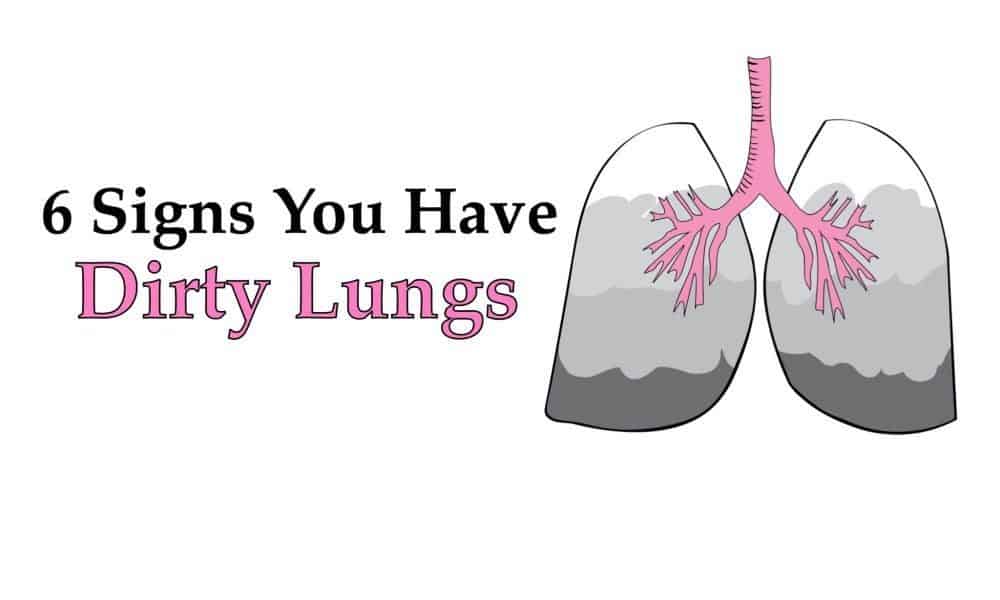
6 Signs You Have Dirty Lungs


What do we know about our lungs? “Well, isn’t that where we store air to breathe… in order to, uh, stay alive and all?”
Yes, the lungs do indeed perform that vital function, but they’re actually quite magnificent organs when explored. So, before we get into what harms these vital organs, let’s take a closer look at what they entail.
Our lungs are sponge-like in texture and serve as the refining organ in the consumption and breakdown of oxygen. When we inhale air through our nose or mouth, the air travels down into the larynx and through the trachea. This air then reaches our left and right bronchi, which transports the air to the lung. The air then moves to the alveoli – microscopic sacs that absorb oxygen from the air – via the bronchioles. The alveoli then transfer the oxygen into our bloodstream. Finally, the carbon dioxide waste taken in from the air is transferred back from the blood to the alveoli, where it is then exhaled.


Okay, so biology lesson over. It’s not as simple as just breathing in and out, apparently. It’s actually quite remarkable that such a complex process is performed in the matter of just a couple of seconds. Unfortunately, any miscue in this complex process usually results in either chronic or acute lung damage.
If someone suffers from a lung condition, it’s usually a result of damage to the alveoli (the lung’s air sacs) or the bronchi (large airways of the lung). Three of the most common ailments of the lungs – bronchitis, asthma and emphysema – are a result of an abnormality involving the bronchi or alveoli.
Smoking is so damaging because it stunts normal lung function. Chronic obstructive pulmonary disease, or COPD, most commonly occurs in those that smoke. This damage to the lungs creates difficulty in breathing out, resulting in shortness of breath. Emphysema (a type of COPD) is usually the result of smoking; as tobacco smoke damages the alveoli, trapping air in the lungs and making it difficult to breathe normally.
lungs
While smoking is certainly a cause of damage to the lungs in many cases, it’s not the only factor – infections and genetics also plays a role. As mentioned, the lungs are only a part of what is a complex system, and damage to any part of this system can result in severe lung problems.
The positive news (finally!) is that the lungs can be repaired. Obviously, the extent to which the lungs can heal depends upon the circumstances. But there are certain actions that we can take to aid this healing process.

Let’s discuss six common signs of dirty lungs first:

Sign #1: Chronic cough

When a cough lasts for over a month, it is considered chronic in nature. In all likelihood, medication has been tried and as failed. This should be taken as a sign that something is wrong with the respiratory system.

Sign #2: Persistent mucus production

When our airways are irritated or infected, they will produce mucus (or phlegm) as a defense. If this incessant mucus production lasts longer than a month, it may be a warning sign of lung problems.

Sign #3: Lasting chest pain

Chest pain that inexplicably last for longer than a month may be a warning sign. It’s a sign that the lungs are involved if the chest pain is brought on, or made worse, from inhaling, exhaling or coughing.

Sign #4: Shortness of breath

When shortness of breath occurs, it is usually due to a heart of lung condition. This symptom can be narrowed down to either/or, since both are involved in the transport of oxygen to tissues and the removal of carbon dioxide. When either one of these problems occurs, it results in shortness of breath.

Sign #5: Coughing blood

When coughing up blood occurs, it’s always a problem with either the lungs or the upper respiratory tract. Needless to say, this is something that requires immediate attention; as it may signal a severe health problem.

Sign #6: Wheezing

Wheezing is a high-pitched whistling sound that usually occurs when breathing out (exhaling), but may occur when breathing in. This is usually a sign that a foreign object is blocking the normal flow of air into the lungs or constricting the lung’s airways.

Now that we know what to look for, here are 6 ways to help purify your lungs.

1. Don’t smoke

If it isn’t apparent by now, smoking is probably the worst thing someone can do to their lungs. Hopefully, an education on what this harmful habit does to the lungs is enough to get someone to quit; if not, seek out some people for support. There are plenty of terrific, free resources available online that could help. There’s even a smoking hotline.

2. Breathe deep

Deep breathing for half an hour a day can help purify the lungs. This practice flushes out many of the impurities that accumulate in the lungs. Meditation and yoga are two great practices to take on for this purpose, and they will help with the mental aspect of purification as well.

3. Drink green tea

Catechins are antioxidants that may help reduce the risk of lung cancer, and green tea is a rich source. In a study done at Chung Shan Medical University in Taiwan, researchers discovered that drinking green tea could reduce the risk of lung cancer by up to five times. Dr. I-Hsin Lin states: “The antioxidants may inhibit tumor growth,” and “Green tea can protect them from lunch cancer risk, a cup or more a day (is recommended” according to the lead researcher.

4. Load up on antioxidants

Ingesting antioxidants appeared to be a recurring theme in researching for this article. Another source states that drinking 400 ml of pineapple or cranberry juice before bed helps to fight infection-causing bacteria in the lungs.

5. Use the eucalyptus

Eucalyptus contains a natural expectorant (decongestant) compound that helps clear our lungs of toxins. Apparently, the plant is terrific in helping to soothe a sore throat and sinus problems. A great way to achieve this effect is by putting 5 to 10 drops of eucalyptus oil in a bowl of hot water, placing the head over the bowl and covering the head with a towel. That certainly sounds refreshing!

6. Get some oregano...   and eat it now: in pasta or in a salad. Get it in you

Another natural decongestant is oregano, which also contains anti-histamine properties. Combined, these elements are effective in clearing out nasal pathways and assisting the respiratory function. To get these terrific benefits, simply sprinkle some oregano into some food or drink on a daily basis.
Posted by Michael Grassel at 1:28 PM No comments:
Email ThisBlogThis!Share to XShare to FacebookShare to Pinterest

Wednesday, December 30, 2015

8 Things You Should Never Believe About A Relationship

8 Things You Should Never Believe About A Relationship


If you believe that your relationship should be a certain way, you might be setting yourself up for failure. And when that happens for some, you’re left wondering what went wrong, when all that happened was that no one could live up to your ideal of a perfect relationship.
Maybe you were jaded; thinking that the world would be your fairy-tail filled oyster when you fell in love. To say that there aren’t plenty of amazing relationships out there would be a mistruth, but many are lead down the lane of love believing things about a relationship that for the most part, are simply not true. For that, we’ve come up with 8 things you shouldn’t believe to be true in relationships today:

1. Happy couples don’t fight

Conflict is perfectly natural in relationships; expressing anger with violence is not. Happy couples do argue but they have learned to express their feelings in a more productive way that works toward a solution.
Compromise and collaboration are the tools that successful couples use to solve conflict. You can read more about how to communicate positively with your partner in this article.

2. You have more sex in a long term relationship

It is perfectly natural for couples to have sex less often the longer they are together. In a study of couples over the lifetime of their relationships, couples reported that sex did happen less often over time. Reasons given by the couples for having less sex include age, health problems and sex becoming a routine.
In a successful relationship, partners have many ways to be intimate with each other and only one of those is having sex. If you are looking to increase intimacy in your relationship, you can read more about reigniting passion in your relationship here.

3. Having children is the death of passion in a relationship

Adding another small person to your couple doesn’t have to spell the end of your sex lives, but it won’t fix problems in your relationship either. Children can add great joy to relationships, but they also bring stress and added work.
Expressing your fears to your partner about what changes you will experience with regard to your sex lives by having children. Take your role as a spouse just as seriously as you do being a parent. Make a plan with your partner and devote equal time and energy to sustaining an intimate connection as you do to raising a family.

4. If your partner really loved you, they would know how you feel

No one can read minds, although close partners do pick up on the facial expressions and body language of their other half and they know what they mean. You have to continue to communicate your feelings and desires to your partner throughout your relationship. Strong listening and effective communication skills are important throughout the lifetime of your relationship.

5. If your partner isn’t jealous, it’s because they don’t care.

Jealousy as a healthy emotion is a relationship myth. Trusting partners don’t become jealous over their partner looking at or talking to other potential romantic partners.
Instead, jealousy is often a sign of one partner’s insecurity over the stability of the relationship or their own self-esteem. Trust in relationships is key. Feeling secure in a couple means that you do not question your partner’s loyalty.

6. Happy couples don’t have to work at it

Happily ever after is definitely a relationship myth. Having a caring relationship means continuing to care for and nurture your partner as they do for you.
To make sure that your partner is happy, you can do the relationship equivalent of asking your partner for a performance review. Ask what more you can do to help your partner to be fulfilled in the relationship.
When each half of the partnership is committed to working on being the best person that they can be for their partner, the relationship is in a state of continuous improvement.

7. If it’s not working, you can make your partner change

You will never be able to force someone to change. You can help shape behavior with rewarding language like ‘thank you’ when your partner does something that you like. You can tell your partner what you want them to do but you can’t make them do it.
When it comes to major personality changes, your partner has to want to make a change. If your partner has a general negative outlook or is neurotic in some way, it is unlikely that you can undo these personality traits that were likely developed in childhood.

8. Happy couples don’t look for help outside of the relationship

Couples do seek counseling to work out their problems. Unfortunately, they get professional help when things have seriously deteriorated in their relationships.
Licensed couple’s therapists offer premarital counseling to help partners iron out problems before they make the ultimate commitment. Seeking help early in relationships is best before problems become severe. If one of you has already given up on the relationship, it will be too late to fix it with the help of a counselor.
Internet article-author unknown
Posted by Michael Grassel at 7:34 PM No comments:
Email ThisBlogThis!Share to XShare to FacebookShare to Pinterest

The 4 Stages of Life According to Carl Jung

The 4 Stages of Life According to Carl Jung


The 4 Stages of Life According to Carl Jung
As we wander through this journey that is life, we go through fundamental changes. Some people use terms like “quarter-life crisis” or “middle age” to define where it is we think we are in our lives along the way. To me, there aren’t destinations in life. There are milestones for sure, but we can often come back to the same places that we were before. That is what I love about Swiss psychologist Carl Jung’s 4 Stages of Life. As he described them, these stages have to do with who we are as people and our motivations. They have nothing to do with age or accomplishment, and throughout our lives we often move forward and backward from these stages. As Jung once said, “Thoroughly unprepared, we take the step into the afternoon of life. Worse still, we take this step with the false presupposition that our truths and our ideals will serve us as hitherto. But we cannot live the afternoon of life according to the program of life’s morning, for what was great in the morning will be little at evening and what in the morning was true, at evening will have become a lie.” These are the 4 stages of life, according to Carl Jung:
Read: 22 of the Most Insightful Quotes from Carl Jung

The Athlete

The athlete is the phase in our lives when we are at our most self-absorbed. There are people in our lives that have never made it out of this phase, or often revert back to it. Of the 4 stages, it tends to be the least mature. It is characterized by being obsessed with our physical bodies and appearance. For an example of the athlete phase, watch teenagers walk past a mirror. The athlete phase can be narcissistic, critical, or even both.

The Warrior

Moving forward in our lives, we reach the warrior phase. This is where we begin to take on responsibilities and get the desire to conquer the world. Well, maybe not the world for some of us, but this is when we become more goal oriented. All of the sudden we can see objectives that we want to accomplish and the vanity of the athlete phase begins to fade. The warrior phase is really characterized by the struggles in our lives that early adulthood can throw at us. The warrior phase is also the most common pshase that people revert back to throughout their lives as they “re-invent” themselves.

The Statement

When the warrior phase in our lives is coming to an end, we find ourselves asking: “what have I done for others?” Your focuses shift from your personal achievements to accomplishing goals based on forwarding other people’s lives. This stage is often correlated to parenting, because your focus becomes providing a better life for your children, and what it is you need to do that. The statement phase for many people is much more than a correlation to parenting, and more about leaving a legacy or a footprint in life. The statement phase is a time to reflect on what you have accomplished, and how you can continue moving forward – not just for you, but for the other people in your life. As far as maturity goes, the statement phase is a huge step forward from even the warrior phase.
Read: Which of the 4 Types of Introvert are You?

The Spirit

The final stage of life is the spirit stage. In this stage, we realize that we are more than what we have accumulated – be it money, friends, possessions, good deeds, or milestones in life. We are spiritual beings. We realize that we are divine beings in a journey of life that has no real beginning and no end. The spirit phase is characterized by a sense of “getting out of your own mind” and focusing on what is waiting for us beyond our physical beings. The philosopher Lao Tzu proposed a question over 2500 years ago that perfectly describes the spirit phase: ““Can you step back from your own mind and thus understand all things? Giving birth and nourishing, having without possessing, acting with no expectations, leading and not trying to control: this is the supreme virtue.”


Consciousness October 28, 2015 Justin Gammill


Posted by Michael Grassel at 7:21 PM No comments:
Email ThisBlogThis!Share to XShare to FacebookShare to Pinterest
Newer Posts Older Posts Home
Subscribe to: Posts (Atom)

Followers

Blog Archive

  • ▼  2018 (19)
    • ▼  April (3)
      • Become A Better Person In Just 7 Days
      • How To Get A Good Night's Sleep (The Ultimate Guide)
      • The largest organ in the body may have just been d...
    • ►  March (2)
    • ►  February (3)
    • ►  January (11)
  • ►  2017 (603)
    • ►  December (6)
    • ►  November (1)
    • ►  October (16)
    • ►  September (37)
    • ►  August (17)
    • ►  July (60)
    • ►  June (60)
    • ►  May (67)
    • ►  April (120)
    • ►  March (124)
    • ►  February (51)
    • ►  January (44)
  • ►  2016 (315)
    • ►  December (13)
    • ►  November (30)
    • ►  October (29)
    • ►  September (44)
    • ►  August (32)
    • ►  July (32)
    • ►  June (5)
    • ►  May (62)
    • ►  April (40)
    • ►  March (12)
    • ►  January (16)
  • ►  2015 (31)
    • ►  December (2)
    • ►  November (1)
    • ►  October (2)
    • ►  September (1)
    • ►  August (3)
    • ►  July (2)
    • ►  June (4)
    • ►  May (2)
    • ►  April (1)
    • ►  February (11)
    • ►  January (2)
  • ►  2014 (19)
    • ►  December (2)
    • ►  November (2)
    • ►  October (1)
    • ►  September (8)
    • ►  August (2)
    • ►  April (3)
    • ►  February (1)
  • ►  2013 (14)
    • ►  October (1)
    • ►  September (6)
    • ►  August (2)
    • ►  July (1)
    • ►  June (2)
    • ►  May (1)
    • ►  February (1)
  • ►  2012 (18)
    • ►  December (5)
    • ►  November (2)
    • ►  October (1)
    • ►  September (2)
    • ►  July (1)
    • ►  June (2)
    • ►  May (1)
    • ►  March (3)
    • ►  January (1)
  • ►  2011 (9)
    • ►  December (2)
    • ►  November (2)
    • ►  September (5)
  • ►  2010 (10)
    • ►  November (1)
    • ►  October (7)
    • ►  September (1)
    • ►  May (1)

About Me

My photo
Michael Grassel
Michael Grassel Commenced studying Hypnosis 1973. Successfully guiding weight-loss clients since 1981. Bachelor of Science, Business U.W.P., Post-graduate studies in Psychology, Social Psychology U.T.S.A., N.I.I.P. Certified Hypnotherapy Practitioner; HH.Dip(P.H.) Nationally accredited Health & Harmony College Qld. Australia
View my complete profile
Picture Window theme. Powered by Blogger.